The Hybrid Horizon: What Southeast Asians Really Want From Remote Work
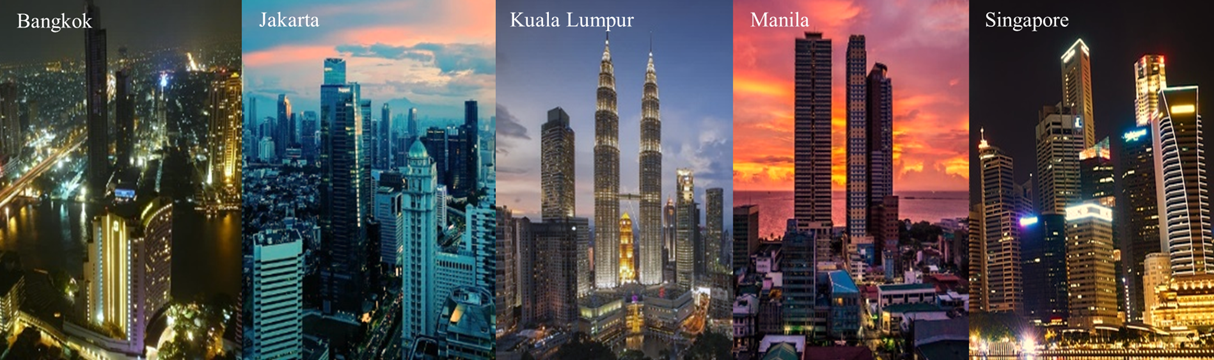
In Southeast Asia, the future of work isn’t binary—it’s blended. As hybrid models become the norm, we asked residents across five major cities—Bangkok, Jakarta, Kuala Lumpur, Manila, and Singapore—how strongly they agree with two statements:
- “I prefer a job where I can work from home at least one day a week.”
- “I prefer a job where I can work from home for about 2–3 days a week.”
Using a scale from 0 (do not agree at all) to 10 (completely agree), we focused on those who scored 8, 9, or 10—the strongest advocates for hybrid flexibility. The results reveal not just preferences, but regional philosophies on autonomy, productivity, and work-life balance.
Bangkok: The Pragmatic Balancers
- 62% of Bangkok residents strongly prefer at least one day of remote work.
- Only 55% feel the same about working from home 2–3 days a week.
This gap suggests a pragmatic approach to hybrid work. Bangkok’s workforce values flexibility, but not at the cost of collaboration or visibility. A single remote day may be seen as a productivity boost—more than that could feel disruptive.
Strategic Insight: Bangkok employers should offer light-touch hybrid models—perhaps one fixed WFH day paired with flexible hours.
Jakarta: The Cautious Optimists*
- 62% strongly support one-day remote work.
- 55% support 2–3 days.
Jakarta mirrors Bangkok’s pattern, but with a slightly higher share of moderate scorers (32%). This suggests a workforce that’s open to hybrid work, but still navigating infrastructure challenges—like internet reliability, home office setups, and commuting norms.
Strategic Insight: Hybrid success in Jakarta depends on tech enablement and managerial trust. One-day WFH may be a gateway to broader flexibility.
Kuala Lumpur: The Structured Flexibility Seekers*
- 58% prefer one-day remote work.
- 61% prefer 2–3 days.
KL is the first city where more people prefer deeper hybrid models. This reflects a workforce that’s comfortable with structure and autonomy. Professionals here may see 2–3 remote days as a way to optimize focus, reduce commute fatigue, and balance personal responsibilities.
Strategic Insight: KL employers should explore role-based hybrid schedules—tailored to productivity rhythms and team dynamics.
Manila: The Hybrid Enthusiasts*
- 54% prefer one-day remote work.
- 63% prefer 2–3 days.
Manila shows the largest jump in preference for extended hybrid models. This may reflect urban congestion, long commute times, and a growing freelance culture. For many, working from home isn’t just a perk—it’s a quality-of-life upgrade.
Strategic Insight: Manila is ready for flexible-first policies, especially in sectors like tech, media, and customer support.
Singapore: The Strategic Optimizers*
- 56% prefer one-day remote work.
- 60% prefer 2–3 days.
Singapore’s workforce is methodical and future-focused. The preference for 2–3 remote days suggests a desire to optimize productivity without losing team cohesion. With strong digital infrastructure and mature corporate cultures, Singapore is well-positioned to lead hybrid innovation.
Strategic Insight: Singapore employers should invest in hybrid culture-building—from asynchronous workflows to virtual leadership development.
What the Data Tells Us
Strategic Takeaways for Employers & Policymakers
- Hybrid isn’t one-size-fits-all: Bangkok and Jakarta lean toward light hybrid; Manila and KL embrace deeper flexibility.
- Infrastructure matters: Cities with better digital access show stronger support for multi-day remote work.
Cultural nuance is key: Preferences reflect not just convenience, but values—autonomy, trust, and work-life integration.

Final Thought: Flexibility Is the New Currency
Across Southeast Asia, the desire for hybrid work is clear—but the shape of that flexibility varies. From Manila’s embrace of multi-day remote work to Bangkok’s preference for balance, the future of work will be modular, contextual, and human-centered.
If this piece resonates with the kind of data-backed, culturally attuned thought leadership your organization values, we’d love to connect. We specialize in transforming insight into impact—crafting modular strategies that speak to Southeast Asia’s evolving work cultures. Reach out to explore how we can support your next move.
Data Source: Asian Women Index 2024 Report, Dynata Panel
Graphics: Pixabay